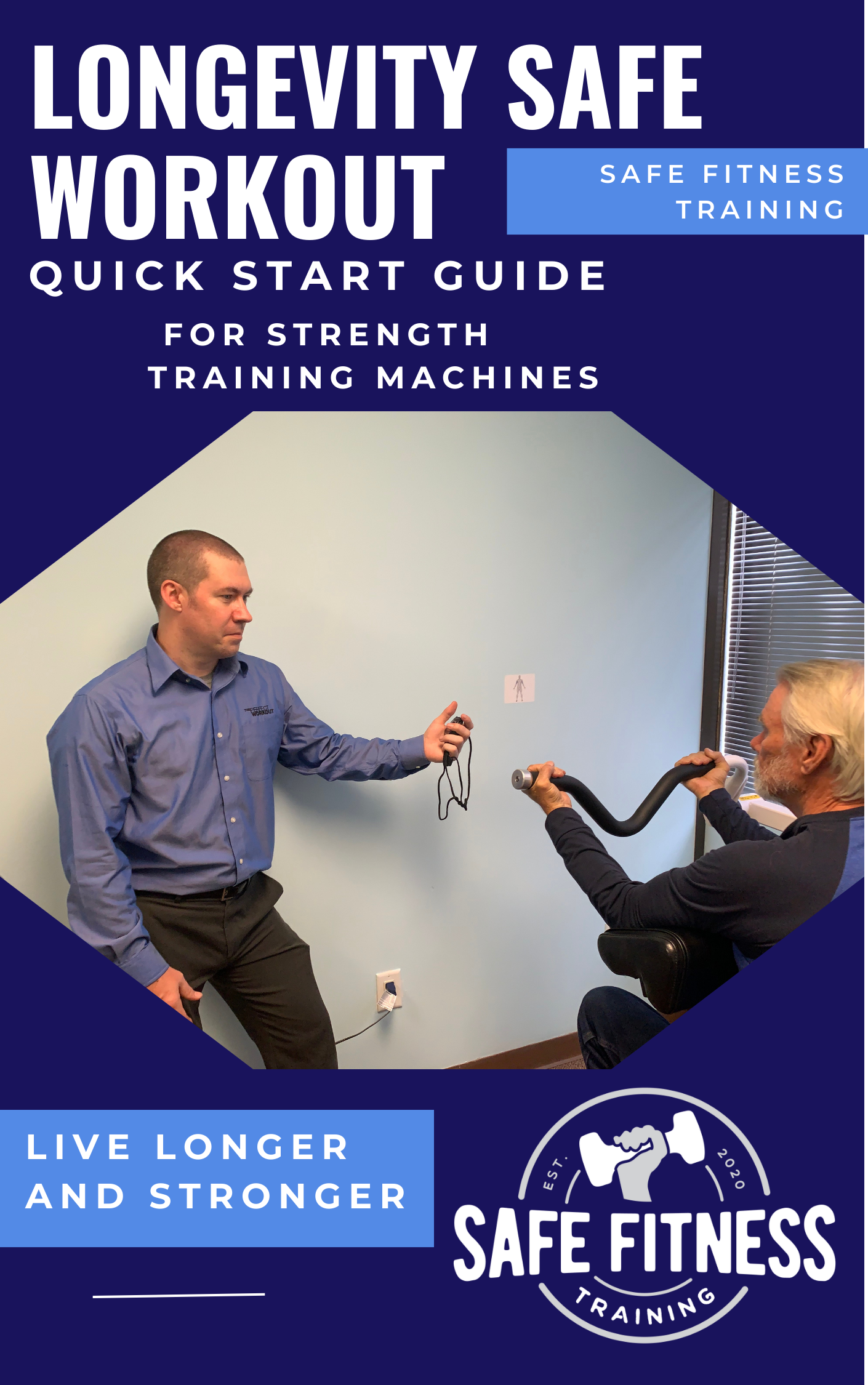
Get my Free Quick Start Guide PDF and Get Started with a full video course Safe Strength Training on Gym Machines!
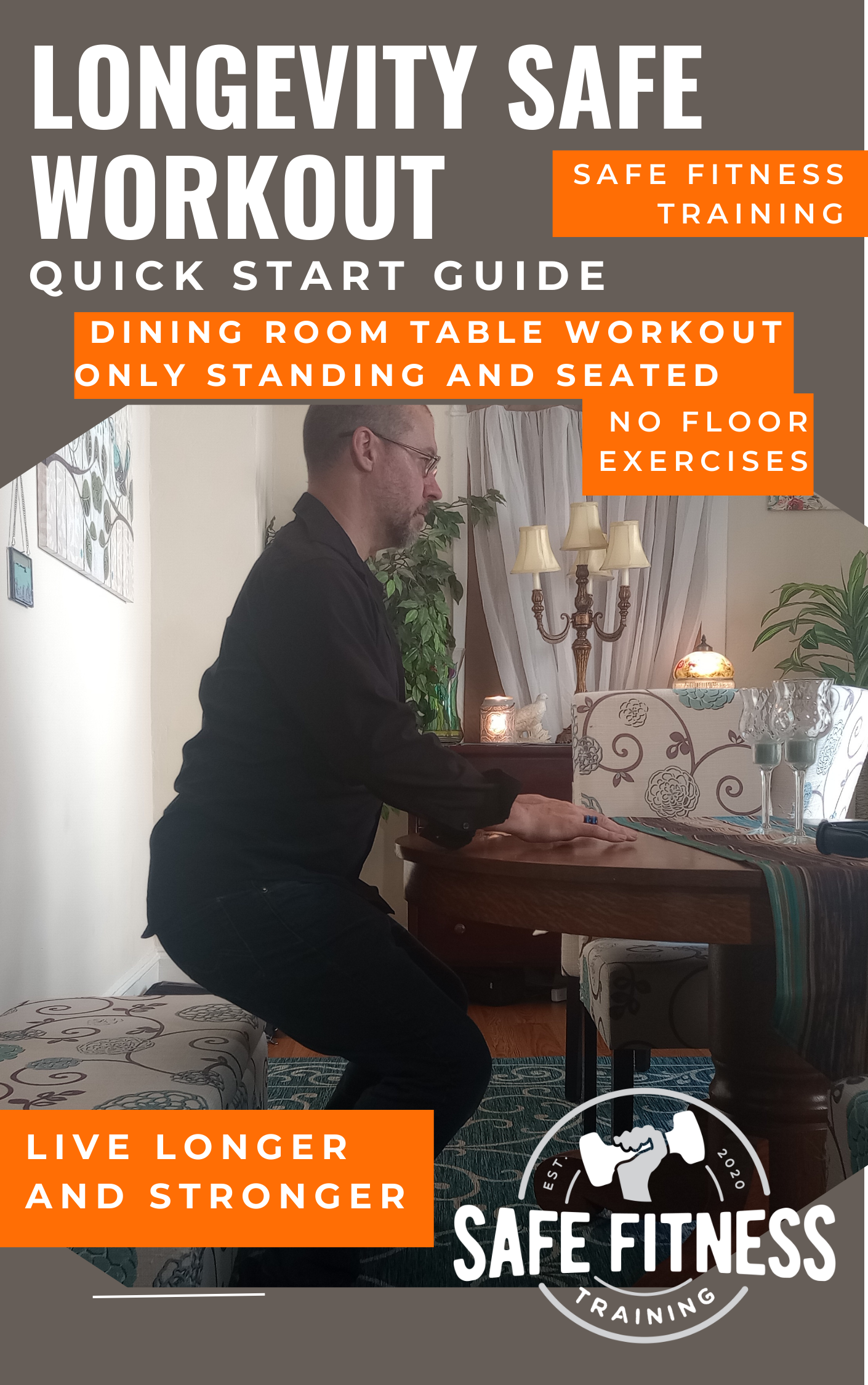
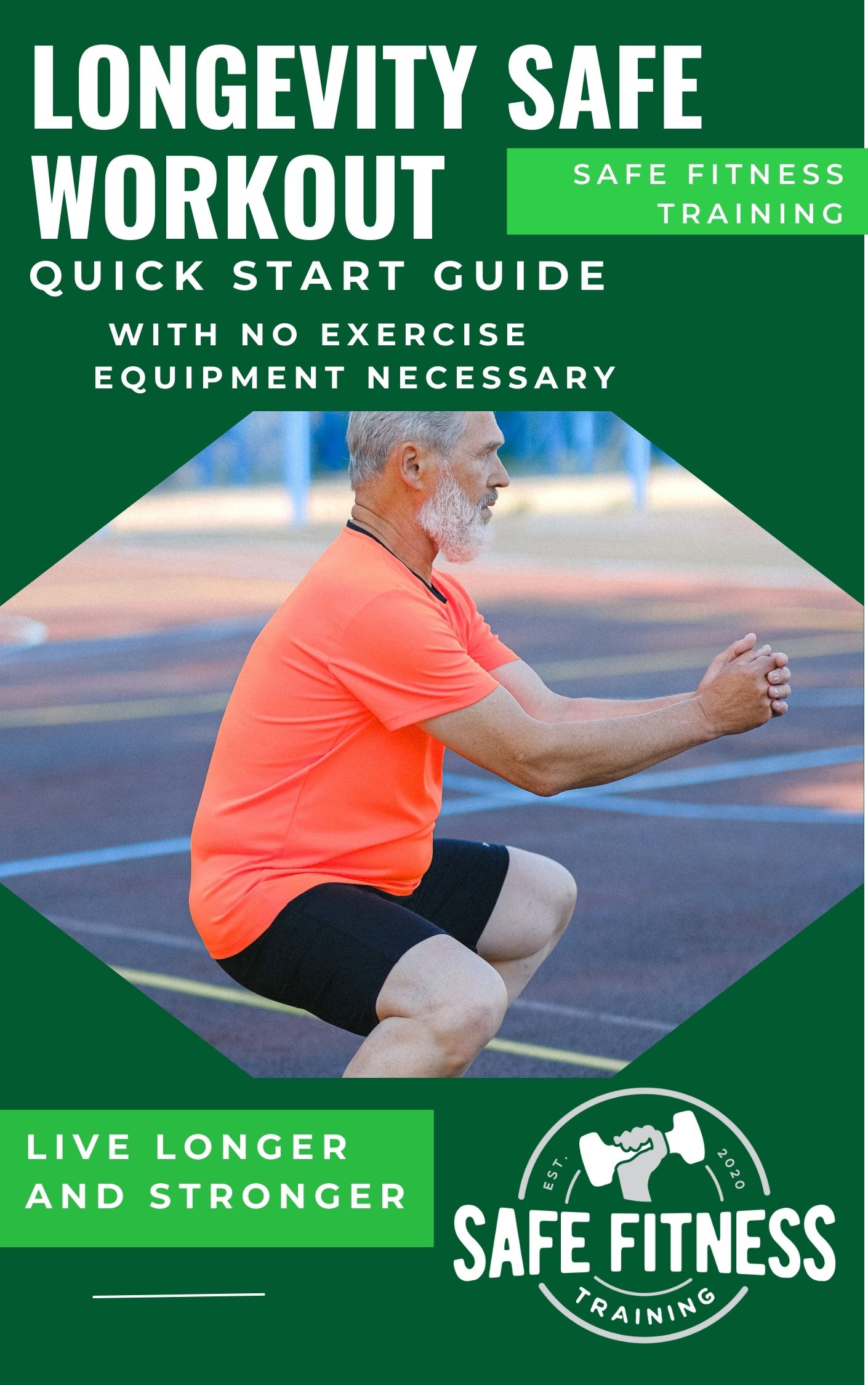
Free PDF Guides for At Home Exercise - Floor Exercise OR Seated and Standing Exercise! Or a video course for AT HOME Exercise!
Can Strength Training Actually Reverse Chronic Illness? What the Science Says
Six out of ten American adults live with at least one chronic disease — but researchers now say a single weekly workout may be the most powerful prescription we've been ignoring.
By Jon Gentry (JG) 8-minute read
The hidden epidemic behind chronic illness
Most people who struggle with high blood pressure, type 2 diabetes, osteoporosis, or chronic back pain have been told the same thing: manage your symptoms, take your medication, and try to stay active. What they're rarely told is that all of these conditions may share a single, fixable root cause.
That root cause is sarcopenia — the gradual loss of muscle mass that begins in your late twenties and accelerates after fifty. It's silent, it's slow, and for decades it went almost completely unrecognized by mainstream medicine. But that's changing fast.
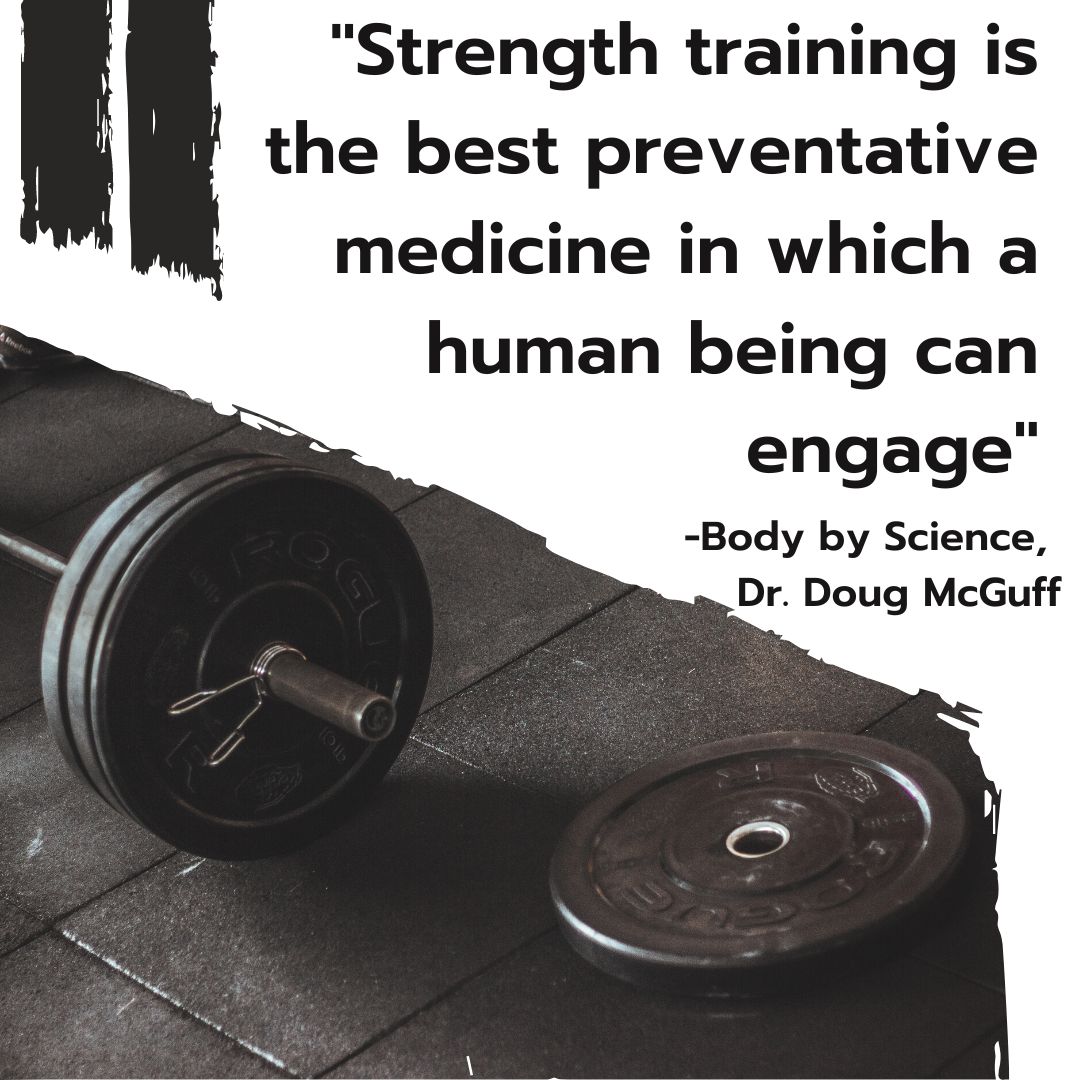
Dr. Doug McGuff, author of Body by Science, argues that aging and the diseases of modern civilization are fundamentally linked to the pathological muscle loss that occurs over time. In other words, sarcopenia isn't just one more health problem — it's the engine driving most of them.
What Sarcopenia Does to your body
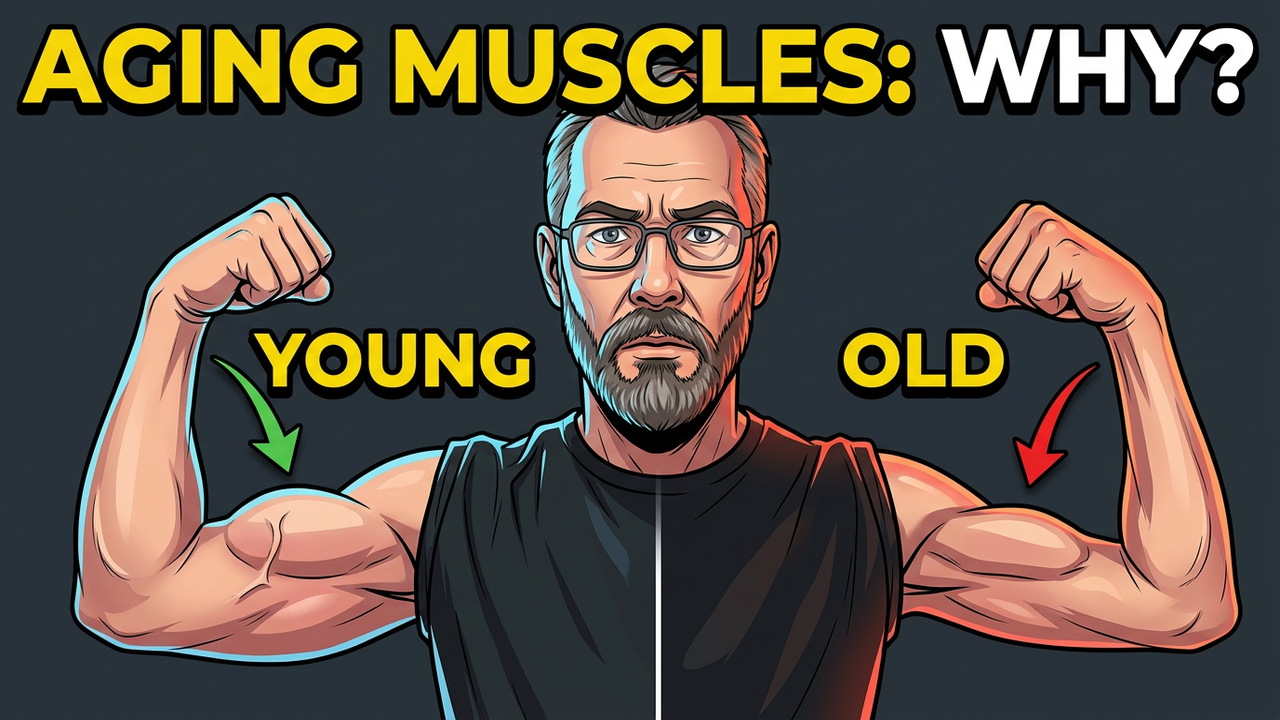
Beginning around age 27, the average person loses approximately half a pound of muscle per year. By age 50, that loss doubles to about a full pound annually. That may not sound dramatic until you consider what muscle tissue actually does in the body.
Muscle isn't just what you use to lift groceries or climb stairs. It's metabolically active tissue that supports and protects virtually every organ system you have. As Dr. Gabrielle Lyon, founder of the Institute for Muscle-Centric Medicine, puts it: our problem isn't with fat tissue — it's with skeletal muscle mass.
When you lose enough of it, the downstream consequences are staggering. The following conditions are all strongly associated with sarcopenia:
- Lower back pain and poor posture
- Obesity and metabolic slowdown
- High blood pressure and cardiovascular disease
- Type 2 diabetes and insulin resistance
- Osteoporosis and fracture risk
- Depression, anxiety, and cognitive decline
- High cholesterol and fatty liver disease
- Compromised immune function
- Osteoarthritis and joint pain
- Increased cancer risk
- Stroke and artery disease
- Premature death
This list should stop you in your tracks. These aren't separate, unrelated problems — they're overlapping symptoms of the same underlying decline.
Why strength training — not cardio — is the answer
For decades, we've been told that aerobic exercise — walking, jogging, cycling — is the gold standard for heart health and disease prevention. The science has now moved well past that view.
Aerobic activity engages only half of your metabolic system (the aerobic pathway in the cytosol). High-intensity strength training engages both the aerobic and anaerobic pathways — in the cytosol and in the mitochondria. That makes it a metabolically superior form of exercise, not just for building muscle, but for improving cardiovascular health as well.
The research in Body by Science makes this point clearly: the absolute best method for improving the cardiovascular system is strength training. Not because cardio is useless, but because truly challenging your muscles creates a whole-body stimulus that walking simply cannot replicate.
The secret weapon: myokines
Here's the mechanism that most people — and a lot a doctors — still don't know about. In 2008, scientists defined and named the first known myokine. Myokines are anti-inflammatory proteins that are produced and released by your muscles — but only when you work them intensely enough.
When you push your muscles hard during a strength training session, these powerful proteins flood your bloodstream and travel to your organs. They reduce inflammation, improve insulin sensitivity, protect against cancer cell growth, support brain function, and strengthen your immune system. They are, in a very real sense, the body's own internal pharmacy.
The critical insight is this: you don't get significant myokine release from a light walk or casual gym visit. The intensity of effort is what triggers the release. Which is exactly why high-intensity strength training — done slowly, safely, and for a surprisingly short period of time — is so uniquely powerful.
What does "high-intensity strength training" actually look like?
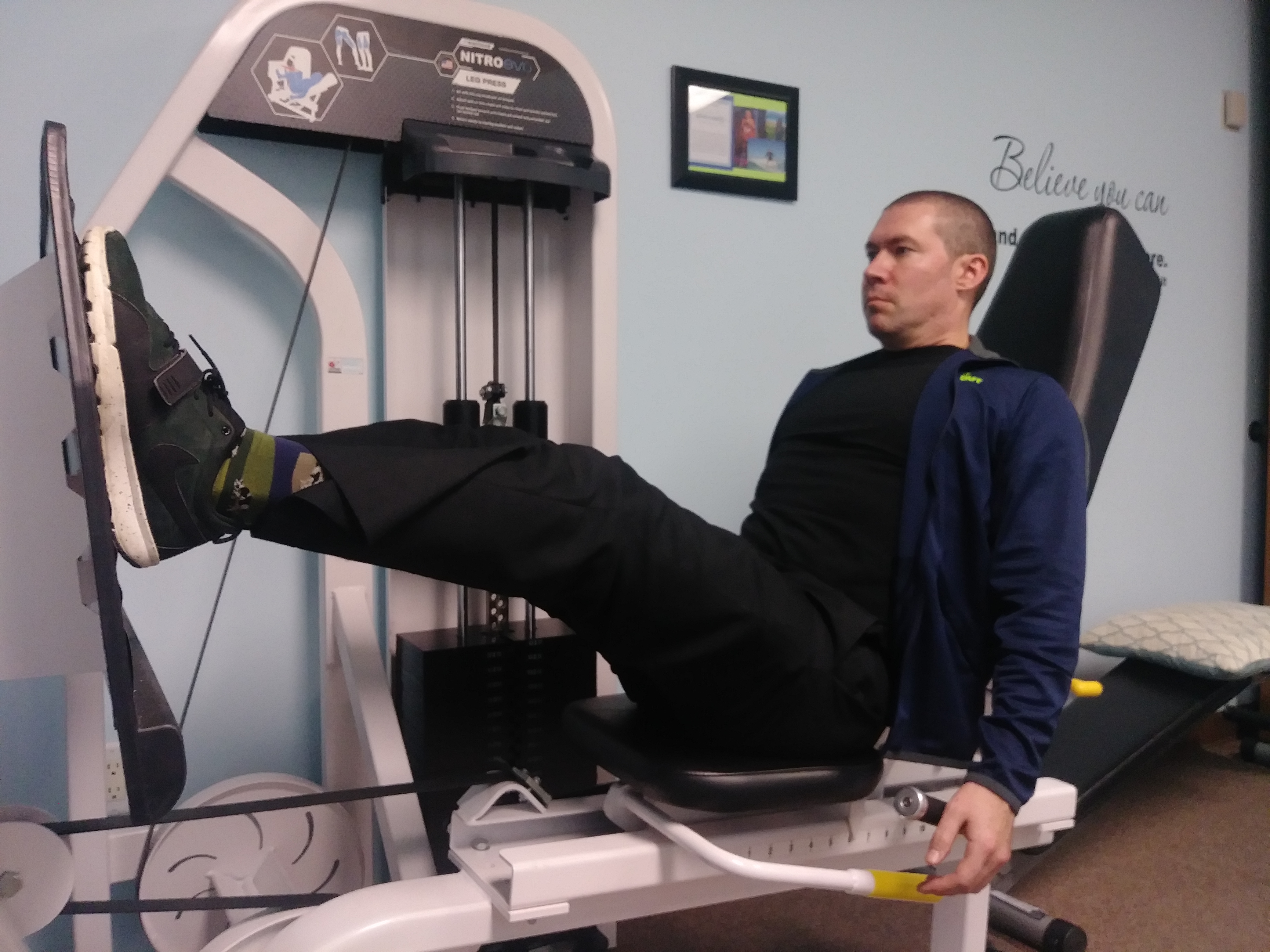
If the phrase "high-intensity" makes you picture someone grimacing through heavy barbell squats, that's not the full picture. The method popularized by Dr. Doug McGuff and Ken Hutchins — sometimes called Super Slow or Body by Science training — looks nothing like a conventional gym workout.
Each repetition is performed with deliberate, slow control — typically 10 seconds up, 10 seconds down. The goal is to eliminate momentum and place continuous, uninterrupted tension on the muscle. When done correctly, you reach a point of momentary muscle failure in a single set of each exercise.
The result? A complete, safe, and highly effective workout in as little as 12 minutes once a week. That's not a typo. The research backing this approach is deep, and the results — especially for seniors and people with chronic conditions — are often remarkable.
Who benefits most?
Everyone benefits from building and maintaining muscle mass. But the people who gain the most are those with the most to recover — which typically means seniors, people with chronic conditions, those recovering from surgeries or joint replacements, and anyone who has been sedentary for a period of time.
"The most important last chapter of Body by Science is titled: The Ideal Training Program for Seniors and Elderly."— Jonathan Gentry, Safe Fitness Training
I've personally seen clients throw away their canes, lower their blood pressure, reduce their medications, and continue running farms well into their seventies. I've watched my own mother reverse osteoporosis without any medication through this method. These aren't flukes — they're what happens when the body's natural muscle-building response is properly stimulated.
The "muscle armor" effect: why strength is life insurance
There's one more reason to take your muscle mass seriously that most fitness conversations leave out entirely. The amount of muscle on your body at any given time is directly correlated to your ability to survive a serious medical crisis.
Research shows that if you were in a serious car accident, underwent a major surgery, or experienced organ failure — the time it would take your body to reach a critical point is strongly tied to how much muscle mass you have. People with more muscle simply survive better and recover faster. Building muscle now is a form of biological insurance for the future.
How to Get Started Safely with Strength Training!
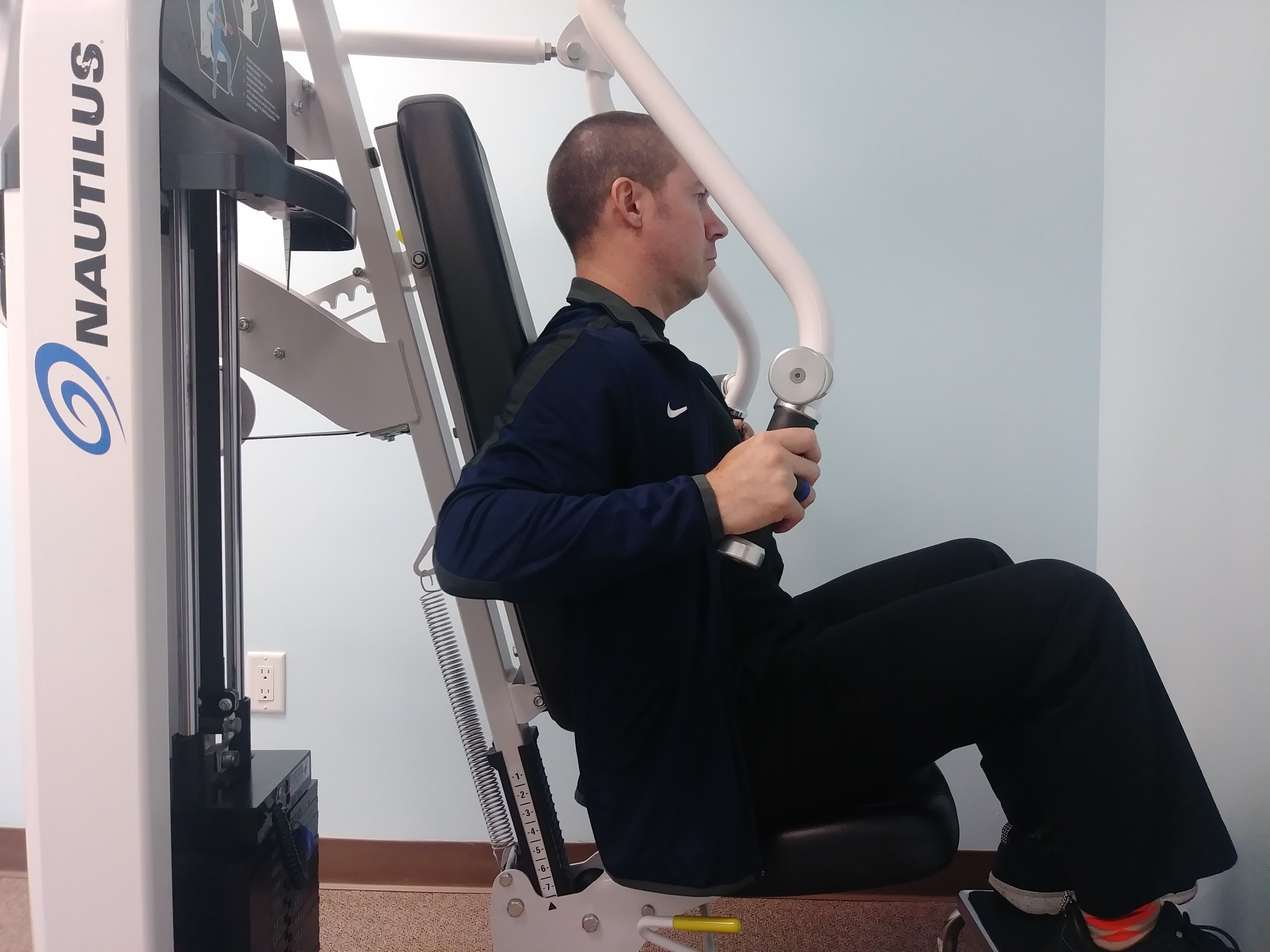
One of the most important things about this type of training is that it's uniquely safe for people who would otherwise be afraid to exercise. Because the movements are slow and controlled, and because you're working within your own current capacity, there's no jerking, no momentum, and no sudden stress on joints. It works equally well on gym machines, with resistance bands, or using your own bodyweight.
The right starting point depends on where you currently are — whether that's seated chair exercises at home, or a supervised session on strength machines. What matters most is that you start, that you work with genuine effort each time, and that you keep showing up every week.
If you would like extra video class guidance I offer multiple courses for seniors to learn exactly how to get started today! Whether you are looking to exercise in the comfort of your own home or on gym strength training machines, you can get started today with everything in one place.
My downloadable resources are free to the right side of the article!
Download any of my FREE PDF guides below!

Home About Me Disclaimer Privacy Policy
© Copyright 2020 | JG, SafeFitnessTraining.com | All Rights Reserved.